
Pipe Inspections Plumbing Services in Carnation, WA
Carnation Pipe Inspections Professionals available now in King County
Pipe Inspections is a diagnostic plumbing service that uses remote imaging and diagnostic tools for system evaluation. It helps identify clogs, deterioration, cracks, and misalignments without the need for extensive excavation. These inspections support preventative maintenance and system optimization, ultimately ensuring pipeline longevity and effectiveness
We provide top-quality Plumbing services throughout King County. Whether you need help with Pipe Inspections or other issues, our Professionals is ready.

Plumbing Services in Carnation, WA
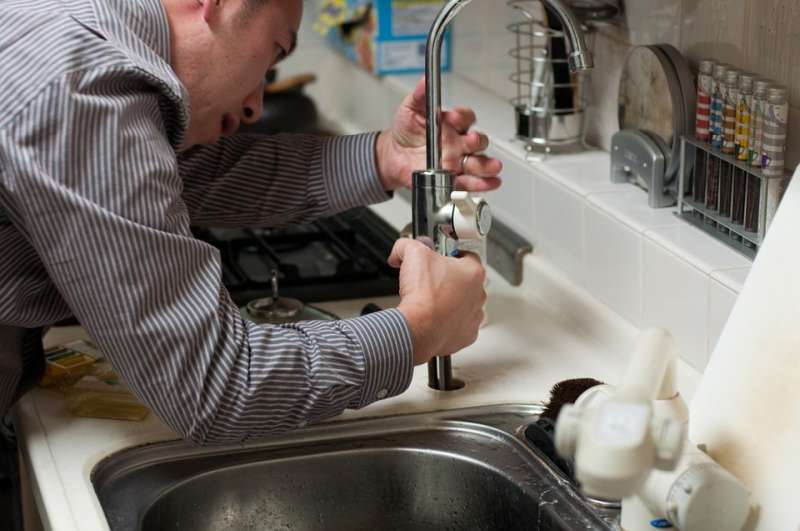
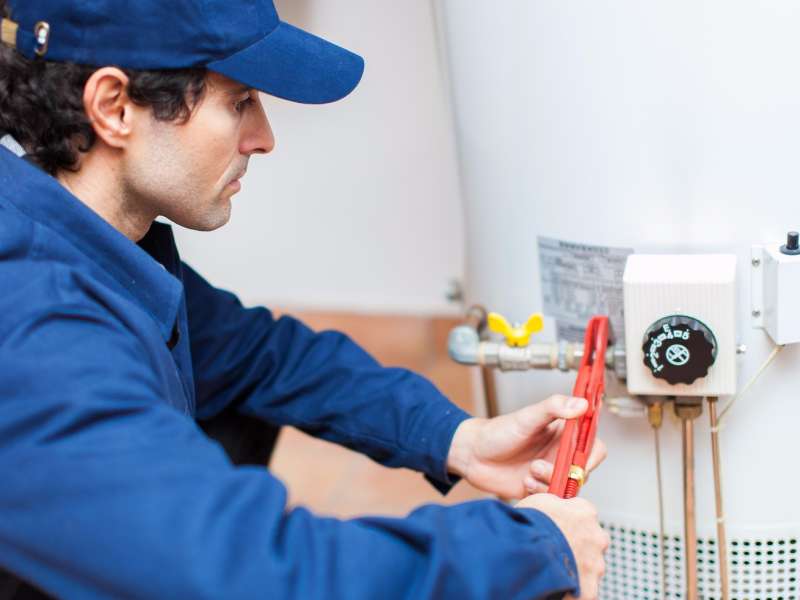
Setting up dishwashers, water heaters (tank and tankless), garbage disposals, and cleaning devices.
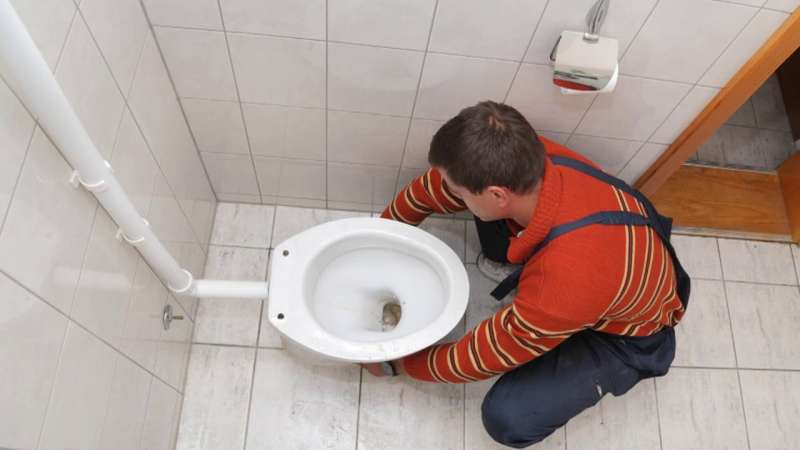
Ensuring backflow avoidance devices are working correctly.
Transferring or upgrading plumbing systems.
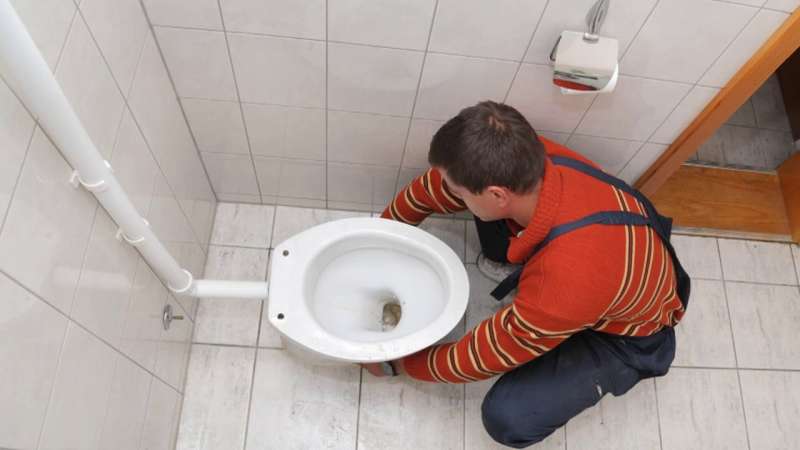
Guaranteeing plumbing systems satisfy regional policies.
Immediate reaction to prevent flooding and water damage.
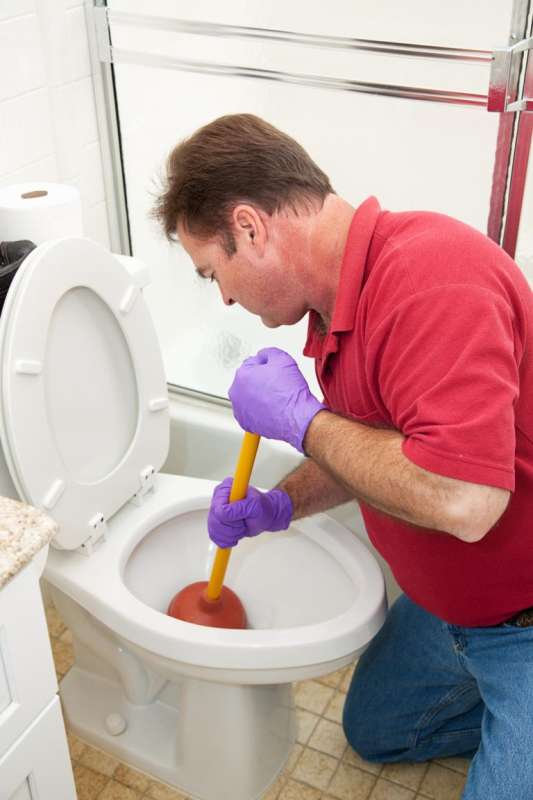
Clearing blockages in sinks, toilets, showers, and sewage system lines.
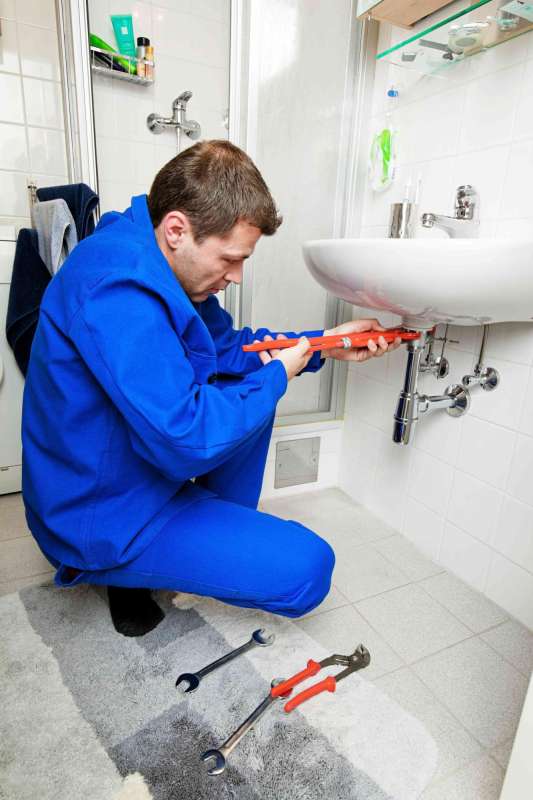
Routine cleaning to prevent obstructions and preserve flow.
Fixing malfunctioning faucets, toilets, and other components.
Installation of sinks, faucets, toilets, bathtubs, and showers.

Emergency detection and repair to prevent dangers.
Repairing gas leaks and ensuring appropriate gas line working.
Setting up systems for recycling family wastewater.
Setting up and maintaining glowing flooring heating unit.
Specialized piping for factories or commercial settings.
Setting up and maintaining outside irrigation.
Plumbing systems for brand-new buildings or renovations.
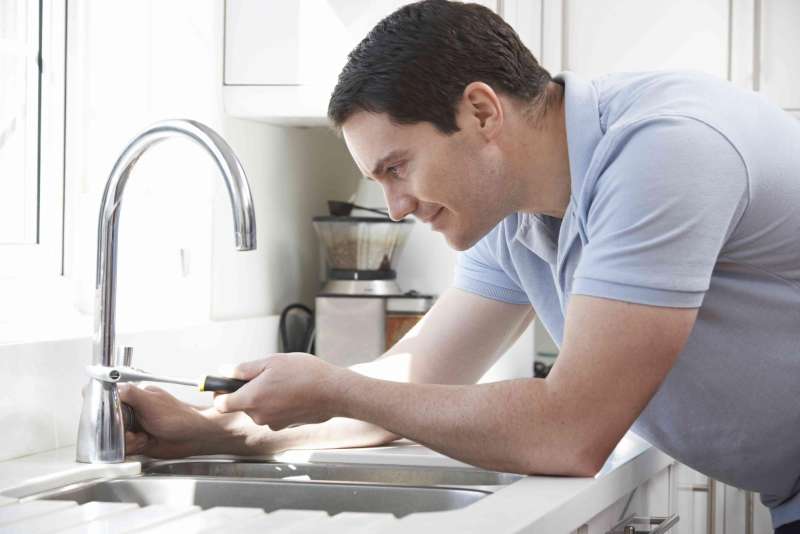
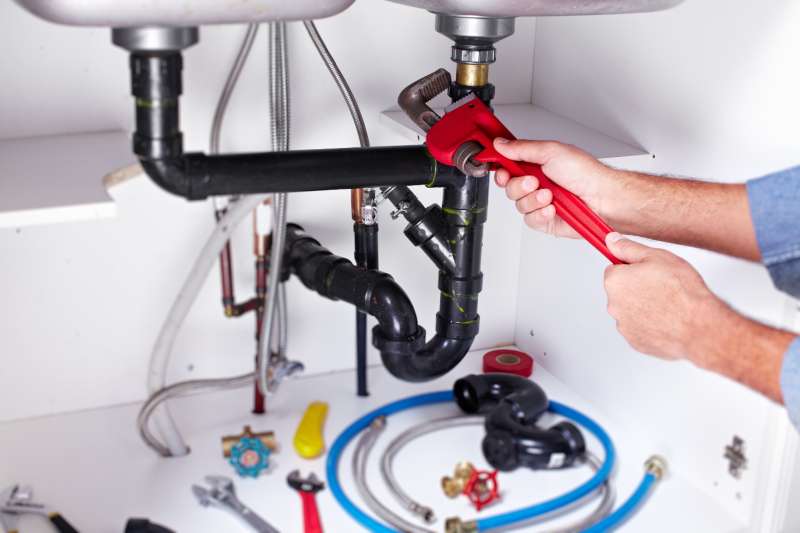
Repairing leakages in pipes, faucets, toilets, and devices.
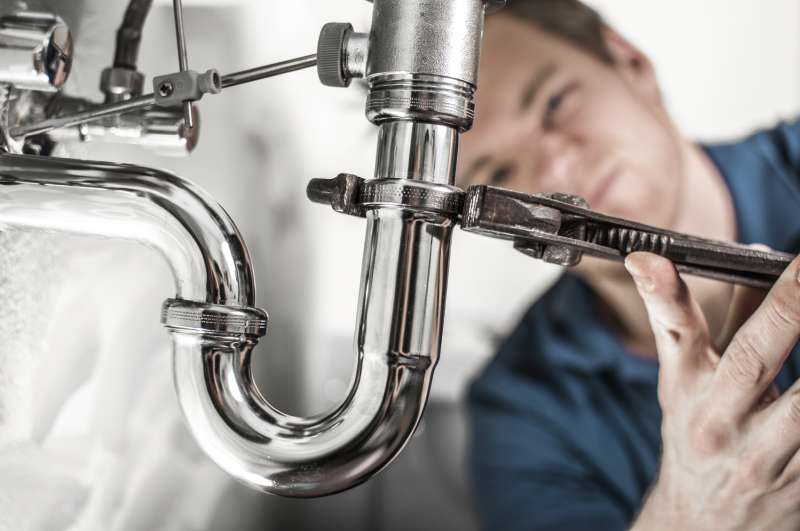
Quick resolution of extreme obstructions and overflows.
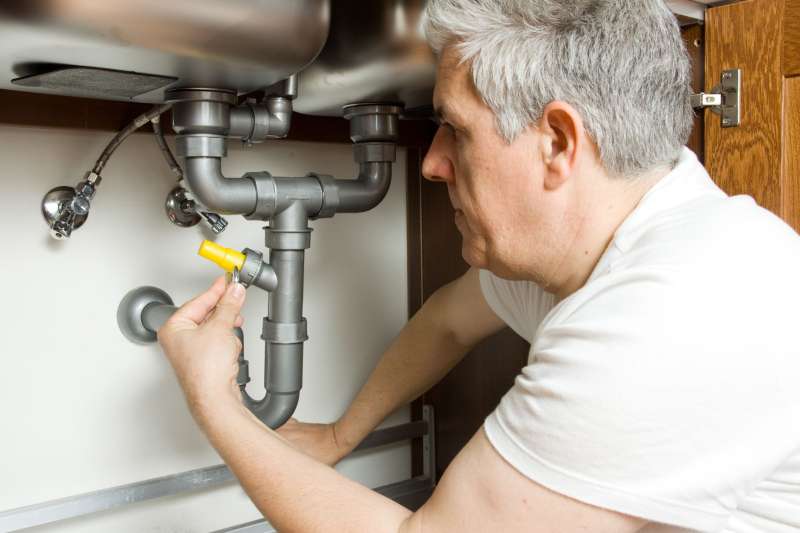
Utilizing cams to inspect pipelines for damage or blockages.
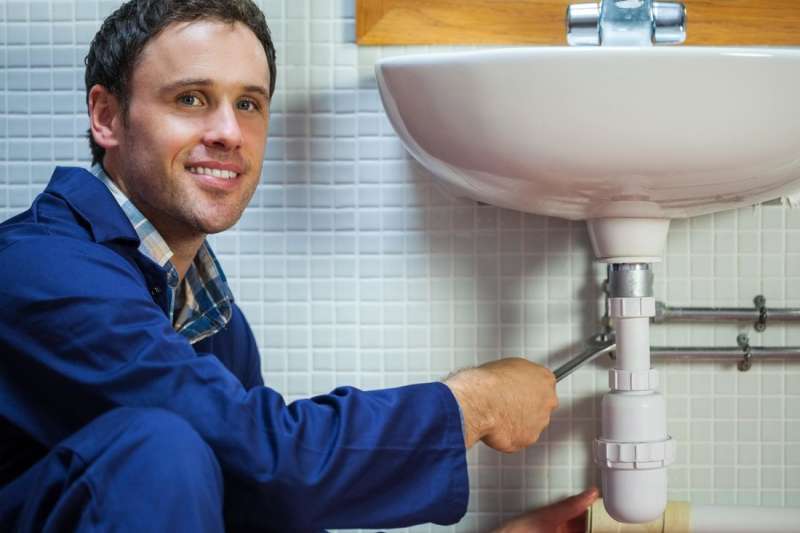
Repairing or changing burst, worn away, or damaged pipelines.
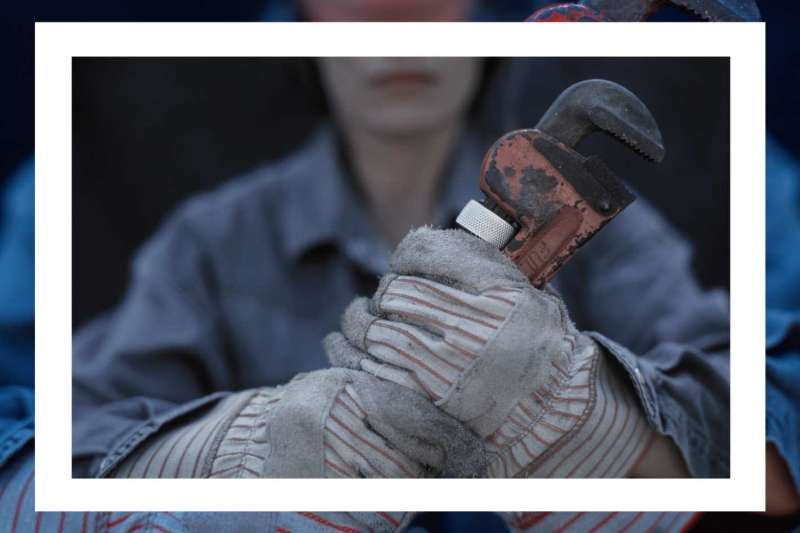
Installing new piping systems for water, gas, and drain.
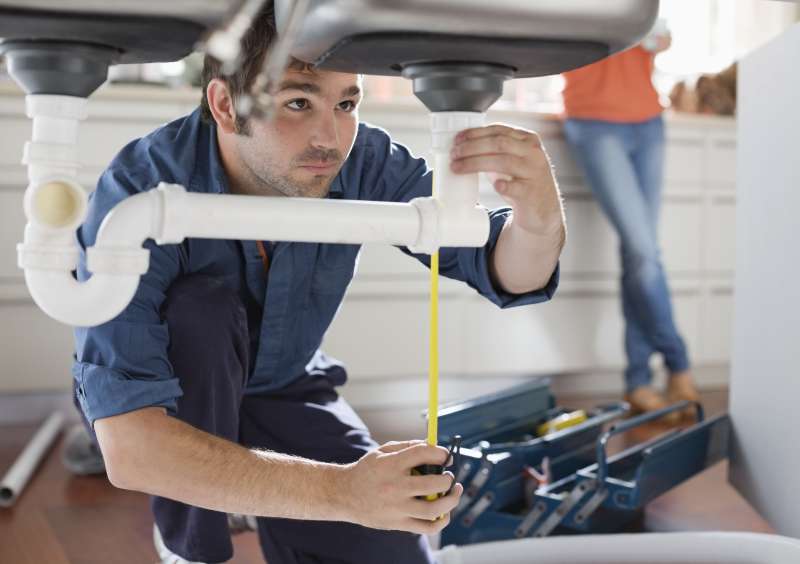
Assessing plumbing systems before purchasing home.
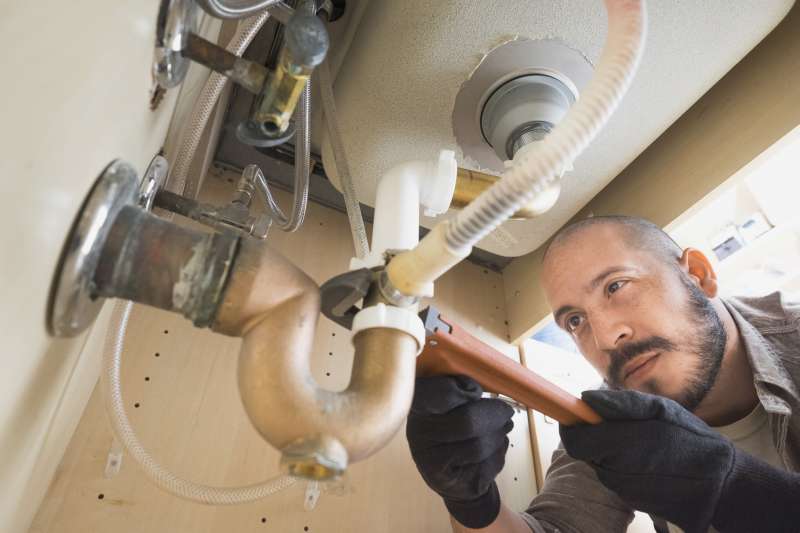
Installing systems to collect and utilize rainwater.

Ongoing upkeep services for companies.
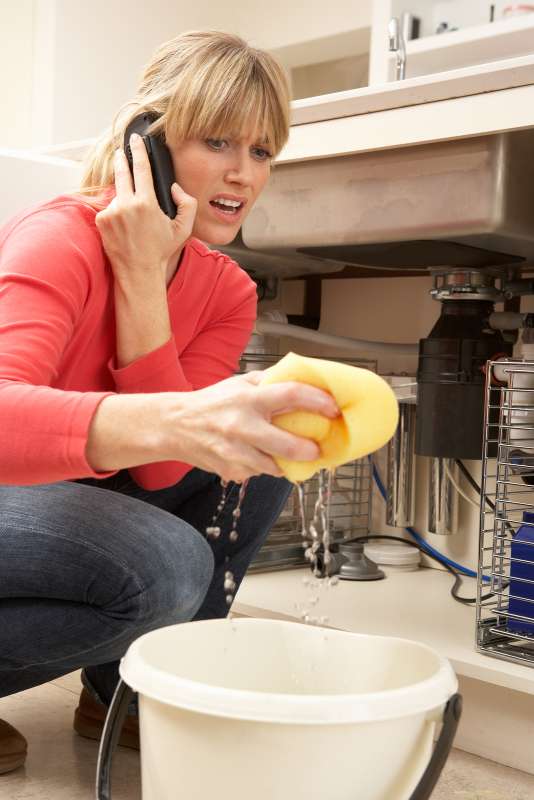
Setting up, fixing, and maintaining septic systems.
Managing groundwater in basements.
Installing water-efficient or contemporary components.
Recommending on water-saving strategies and products.
Installing water softeners and filtration systems.
Flushing and checking water heaters to prolong lifespan.
Attending to concerns with temperature, leaks, or failure to heat water.
Securing basements or other areas from water intrusion.
Immediate attention to prevent contamination and health threats.